 By
By
For more than 200 years, when Japan was closed to the outside world, Nagasaki was the one place where foreign ships could come. Because of that, the city does not feel like anywhere else in Kyushu. There are churches on the hills, Chinese temples near the centre, and European houses above the harbour.
I went for two days. This is what I would do again.
The Peace Park and the museum
On 9 August 1945 an atomic bomb was dropped on this city. About 74,000 people died.
The Atomic Bomb Museum is not easy to walk through. There is a clock that stopped at 11:02. There are pieces of wall, a water tank, a school lunch box. The explanations are calm and short, which somehow makes it harder.
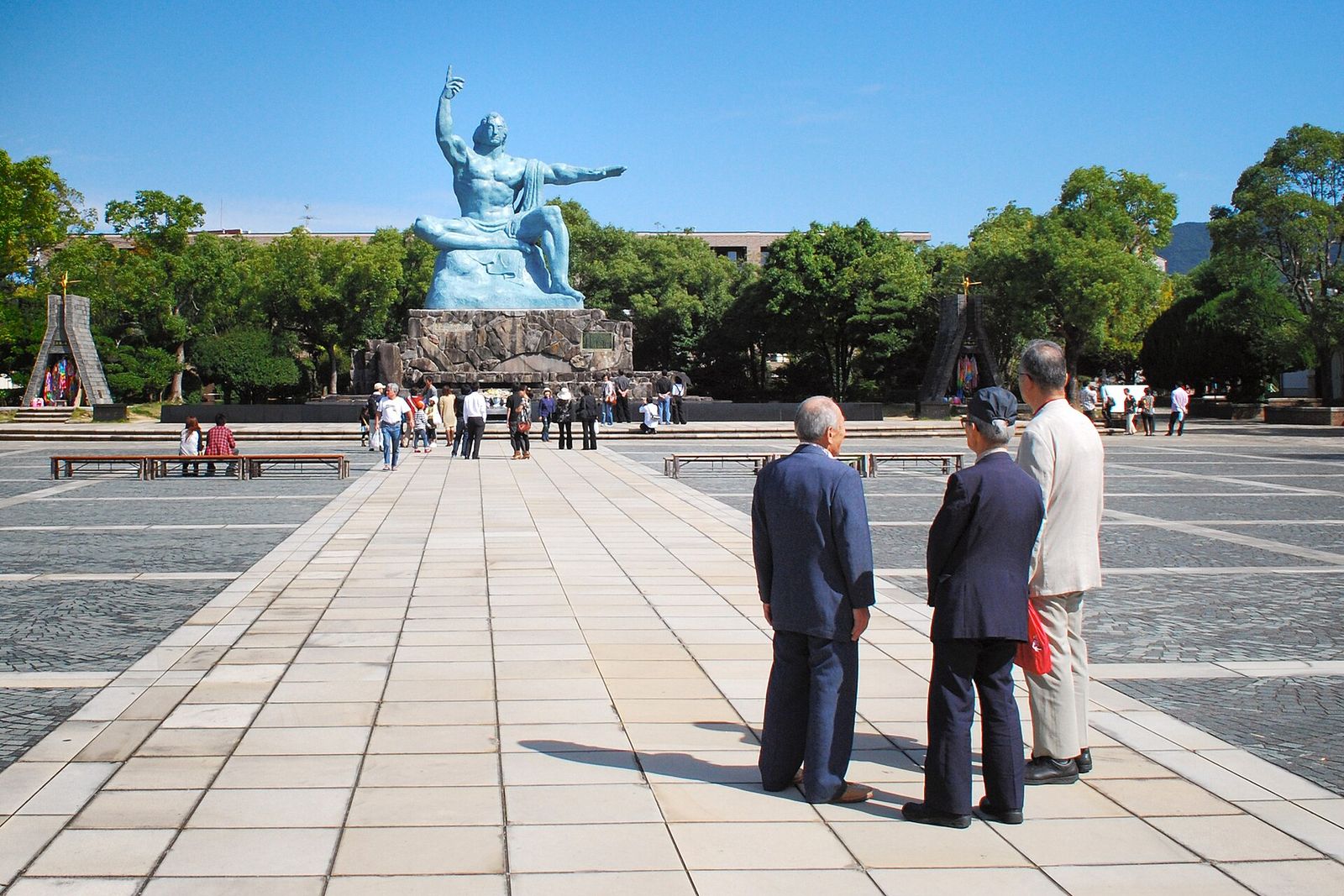
Nearby is the Hypocentre Park, with a simple black stone marking the exact point below the explosion, and the Peace Park with its large statue: one hand pointing up at the sky, one hand held out flat.
I stayed about two hours and then sat outside for a while before I could go on with the day. If you visit Nagasaki, please go. It costs 200 yen.
Glover Garden
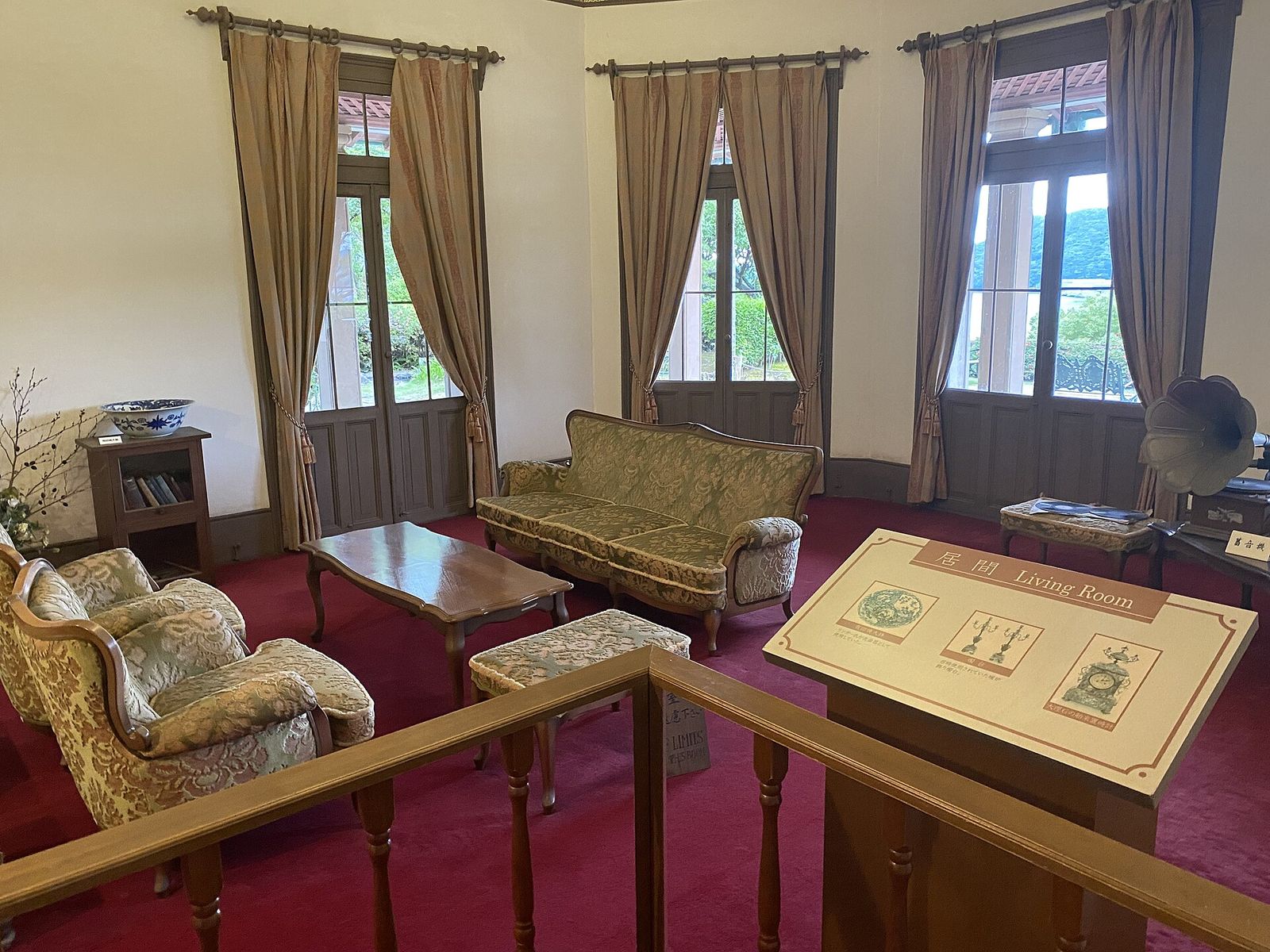
In the afternoon I went to Glover Garden, on the hill above the port. These are the houses of the foreign traders who lived here in the 1800s, kept as they were, with gardens and a wide view over the water. Thomas Glover, a Scottish merchant, built the oldest wooden Western-style house still standing in Japan.
It is a bright, easy place, and after the morning I was grateful for that.
Mount Inasa at night
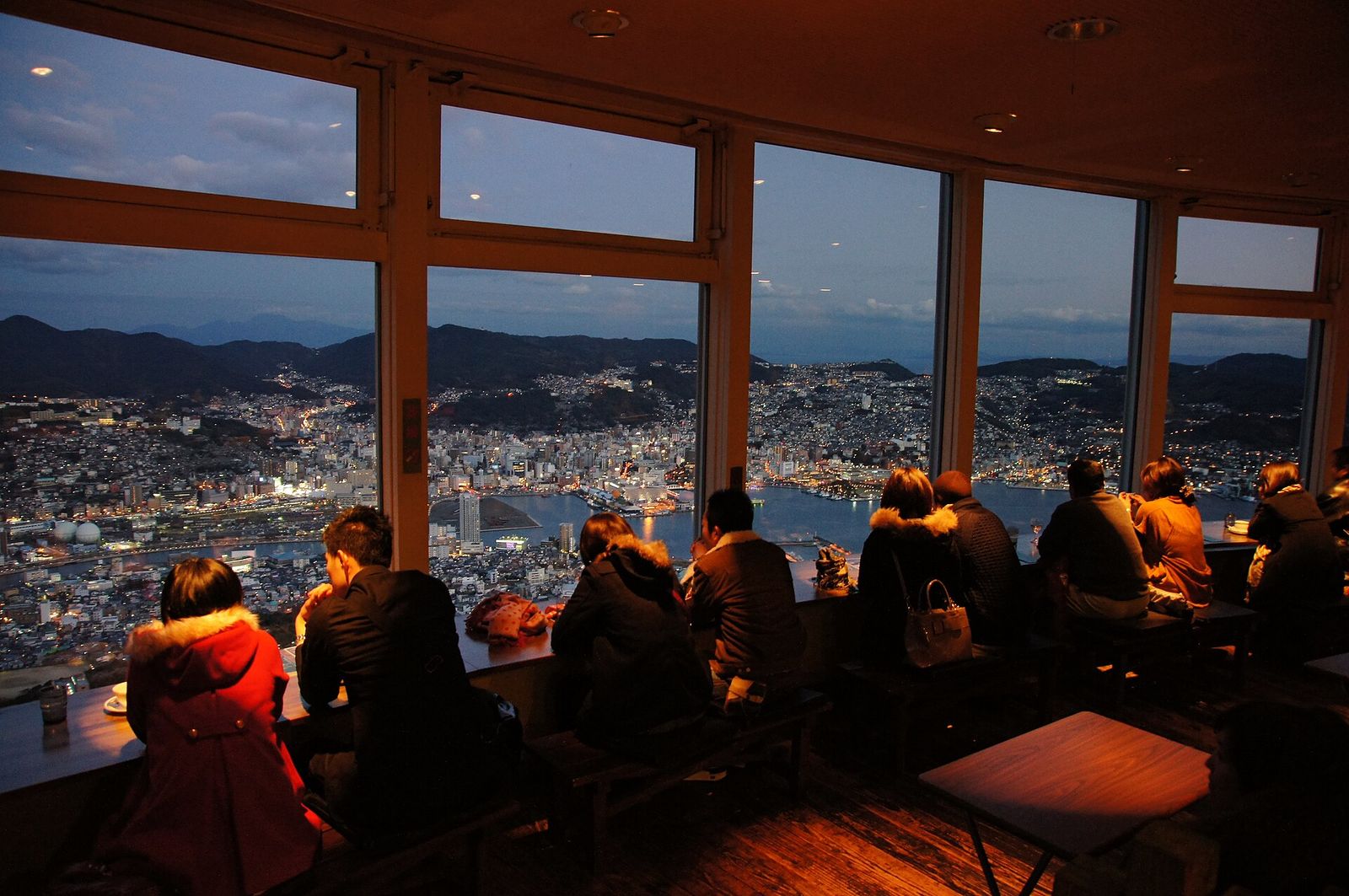
In the evening I took the ropeway up Mount Inasa. From the top you see the whole city: the harbour, the bridges, and the lights going up all the hills around the bay. People here call it one of the three best night views in Japan, and I would not argue.
Go about 30 minutes before sunset so you see it in daylight first, then again in the dark. The ropeway is 1,250 yen return.
Food
Champon — noodles in a milky pork and seafood soup, with cabbage, pork, squid and fish cake piled on top. It was invented in this city for Chinese students who needed a cheap, filling meal. Around 900 yen. Perfect after a cold evening on the mountain.
Getting there
From Oita it is a long trip — around four hours by train with a change at Tosu. From Fukuoka it is about two hours. The city itself is easy: trams go everywhere and cost 140 yen.
0 Comments
No comments yet — be the first.