 By
Mount Aso is not one mountain. It is a huge old crater, about 25 kilometres across, with five peaks inside it and towns, rice fields, roads and railway lines on the flat ground in between. Around 50,000 people live inside the crater.
When the bus came over the edge and started going down, I understood the size for the first time. It does not look like a volcano. It looks like a country.
Kusasenri
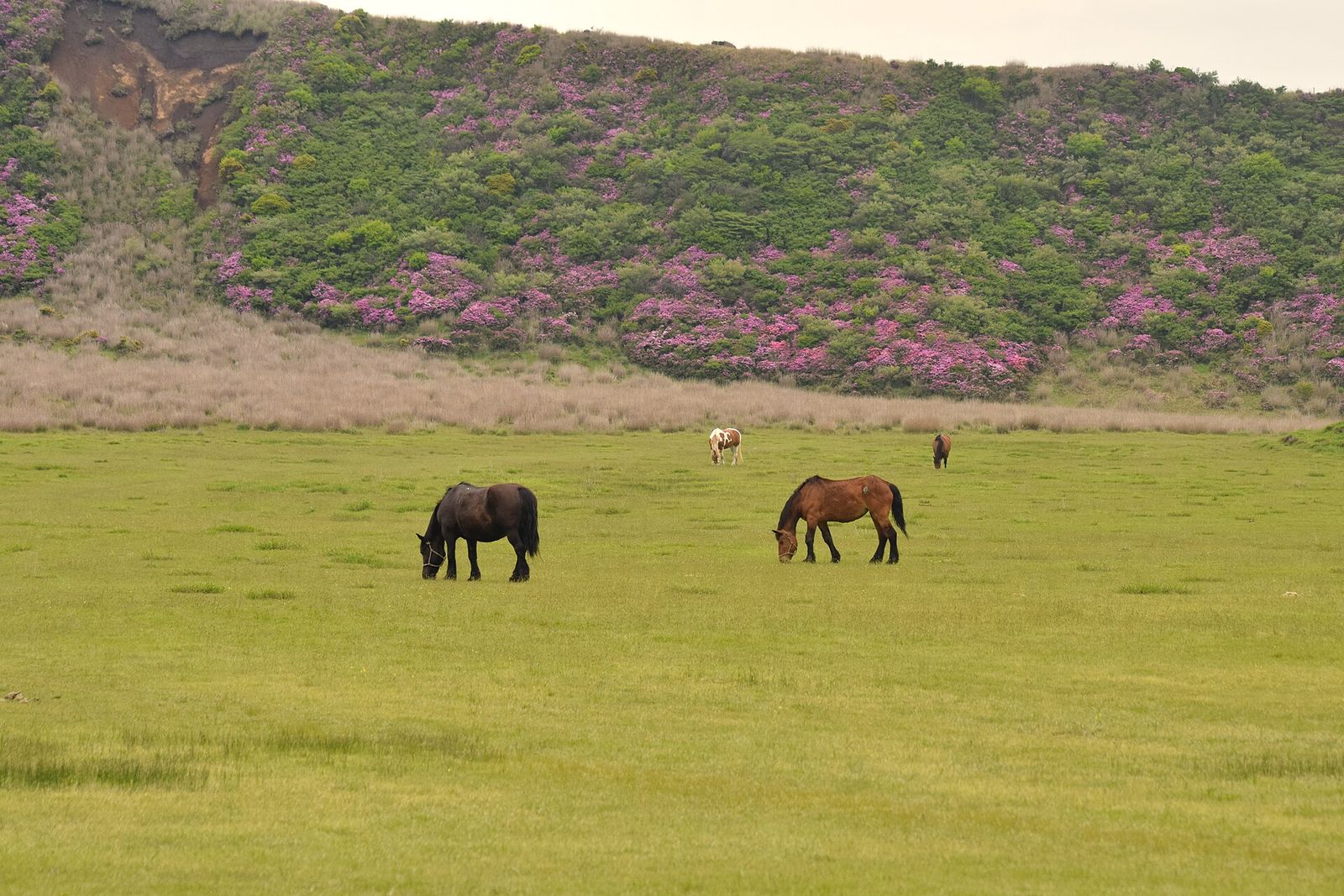
Kusasenri is a wide grass plain with a small lake in the middle. Horses graze there and you can ride one for about 1,500 yen. I did not ride. I sat on the grass for an hour and watched the clouds move over the hills, which was exactly what I needed after a working week.
Bring a jacket. Even in June the wind up there was cold.
The active crater
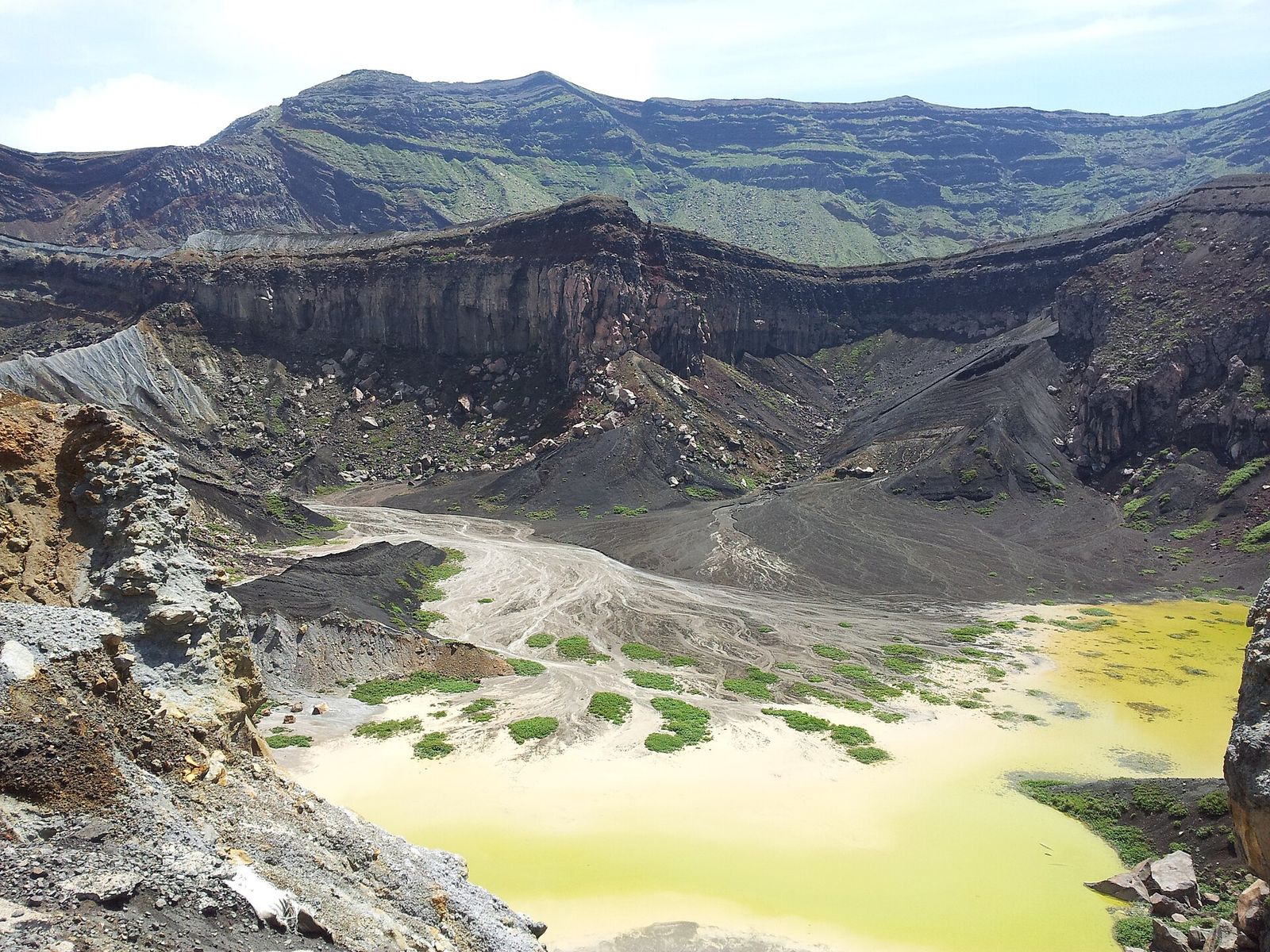
Nakadake is still active. When the gas level is safe, you can go up to the rim by road and look down into it — grey rock, a green-blue pool, and white smoke coming out constantly.
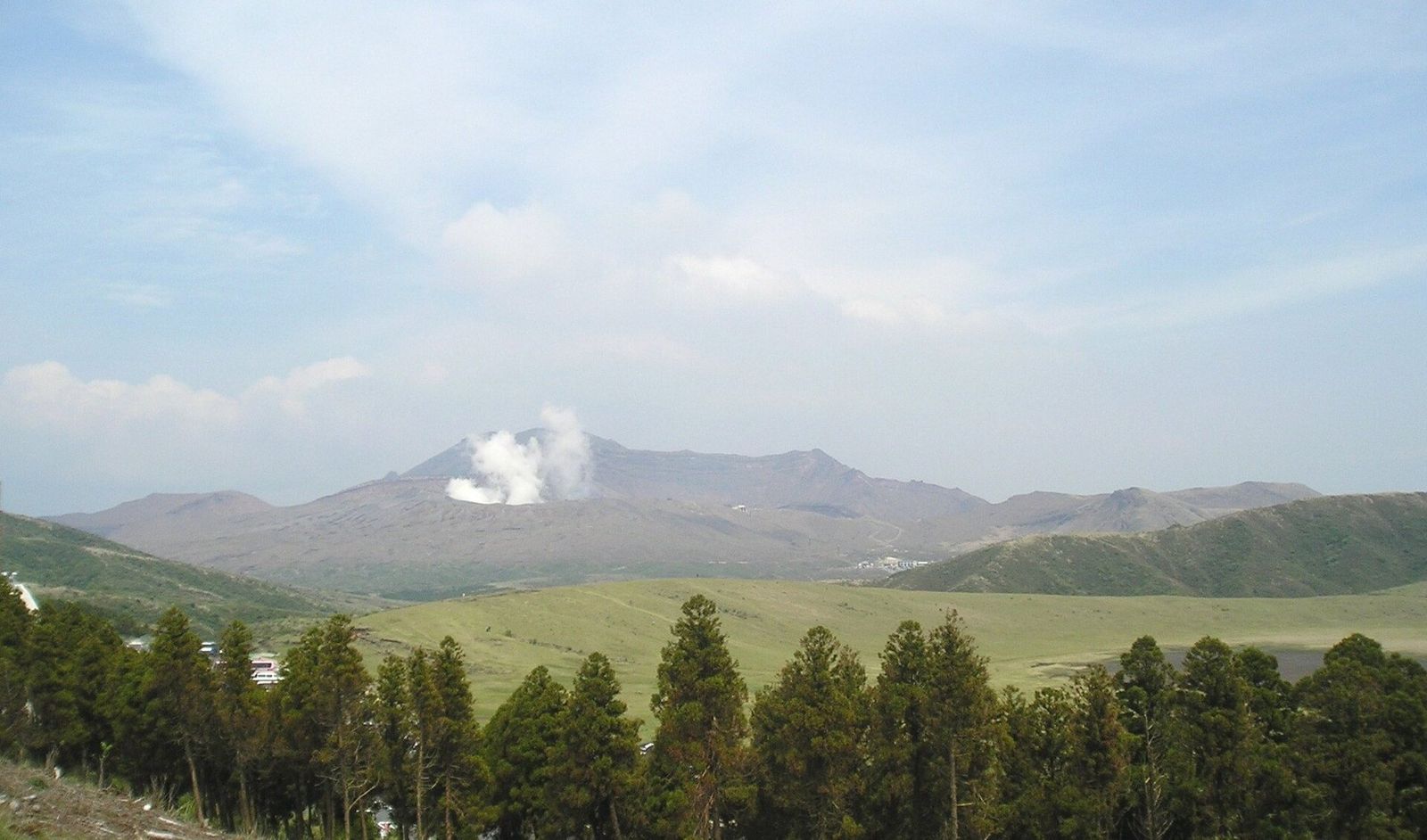
When the gas level is too high, the road closes. This can happen with very little warning, and it happened while I was there. So I saw the crater from Kusasenri instead, from a few kilometres away.
Check the volcano status on the morning you go. The Aso city website posts the level every day. If it says level 2 or higher, the crater road will probably be closed and you should plan something else.
What I did instead
I went to the Aso Volcano Museum, which was more interesting than I expected — there are live cameras pointing into the crater — and then to a small restaurant for akaushi beef, the red-brown cattle raised on these hills. A rice bowl with it cost 1,800 yen and was one of the best meals I have eaten in Japan.
Getting there
Take the train to Aso Station on the Hohi line, then the bus up the mountain. From Oita it is about two and a half hours by train.
0 Comments
No comments yet — be the first.